

Ingredients 101, Sensitive Skin & Scalp
5 Ingredients That Make Seb Derm Worse (and What to Use Instead)

Nov
Living with seborrheic dermatitis (Seb Derm) can feel like walking a tightrope — one wrong product and your scalp, face, or hairline flares up overnight. I can’t even begin to express all of the battles I had with the drugstore products when I was growing up. When you’re trying to live clean, the hardest part is realizing that even products labeled “natural” or “gentle” can still trigger irritation.
After years of trial, error, and chemical decoding, these are the five ingredients that most often make Seb Derm worse — and what to reach for instead.
1. Shea Butter
Why it’s a problem:
Shea butter is rich and nourishing, but for Seb Derm it can be too much of a good thing. The condition thrives in oily environments, and shea’s heavy, occlusive texture traps sebum and moisture against the skin. That’s a buffet for Malassezia, the yeast linked to Seb Derm.
What to use instead:
Look for lightweight emollients like rice bran oil, jojoba esters, or candelilla wax. They hydrate and protect without feeding yeast or clogging pores. J Farell®’s Clean Clay — a lightweight, yeast-safe styling option for Seb Derm uses mineral clays and plant-based waxes that give hold and texture without suffocating the skin.
2. Synthetic Fragrance & Perfumes
Why it’s a problem:
Synthetic fragrance compounds (and even some essential oils) are among the top irritants for reactive skin. They can disrupt the skin barrier and spike inflammation — especially on thin facial skin or sensitive scalp areas.
What to use instead:
If scent is important to you, go for phthalate-free, IFRA-compliant blends or natural fragrance oils used at very low concentrations. Better yet, choose unscented or neutrally scented formulas for everyday use and layer your clean fragrance separately.

3. Sulfates (SLS, SLES)
Why it’s a problem:
Sodium Lauryl Sulfate and its cousins are harsh surfactants that strip away natural oils. While that sounds good in theory (“clean” scalp), the rebound effect is brutal: your skin overproduces oil to compensate, and inflammation spikes.
What to use instead:
Swap in gentle, coconut-derived cleansers like Sodium Cocoyl Isethionate or Decyl Glucoside. These remove buildup without destroying the protective barrier. If you’re mixing your own or choosing our Seb Derm safe low pH shampoo, choose mild surfactants and balance pH to 5–5.5.
4. Parabens & Preservatives That Feed Yeast
Why it’s a problem:
Parabens and some older preservatives (like methylisothiazolinone) can alter the skin microbiome. For those with Seb Derm, that can mean more flaking, redness, and a longer recovery time between flare-ups.
What to use instead:
Products preserved with potassium sorbate, sodium benzoate, or gluconolactone are gentler alternatives that still keep formulas safe and shelf-stable. Look for short ingredient lists — fewer chemicals means less chance of reaction.
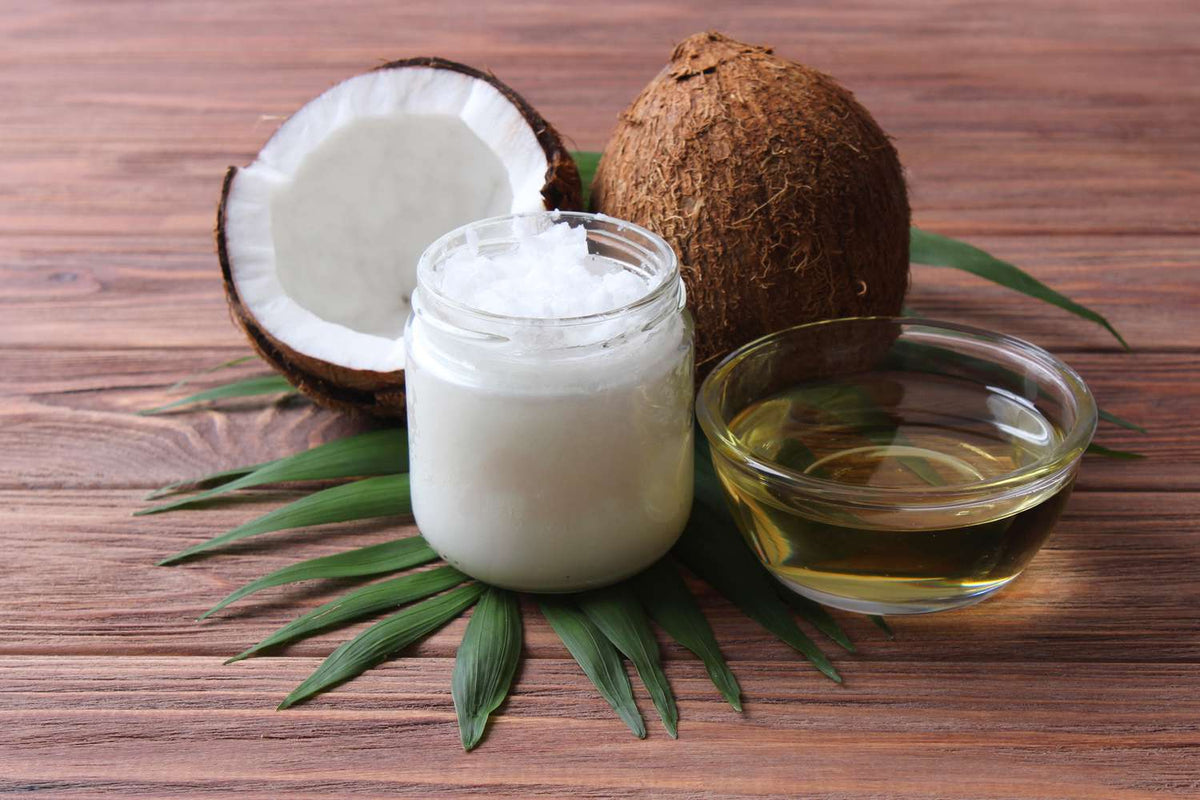
5. Coconut Oil & Other Medium-Chain Oils (MCT Oil is good)
Why it’s a problem:
Coconut oil is antifungal in theory, but it’s also highly comedogenic and rich in medium-chain fatty acids (C8–C12) that feed Malassezia. Many Seb Derm sufferers notice temporary relief followed by worse flare-ups later.
What to use instead:
Switch to MCT oil, squalane, or mineral-derived light esters like isopropyl palmitate-free bases. They mimic skin’s natural oils without creating a yeast-friendly environment.
Final Thoughts
Seborrheic dermatitis isn’t about “perfectly clean” skin — it’s about balanced skin. When you strip or suffocate, your barrier fights back.
Every J Farell® formula is created with that truth in mind: clean, lightweight, and free of yeast-feeding oils or harsh surfactants. Because real healing doesn’t come from avoiding everything — it comes from finding what your skin can finally live with.
